
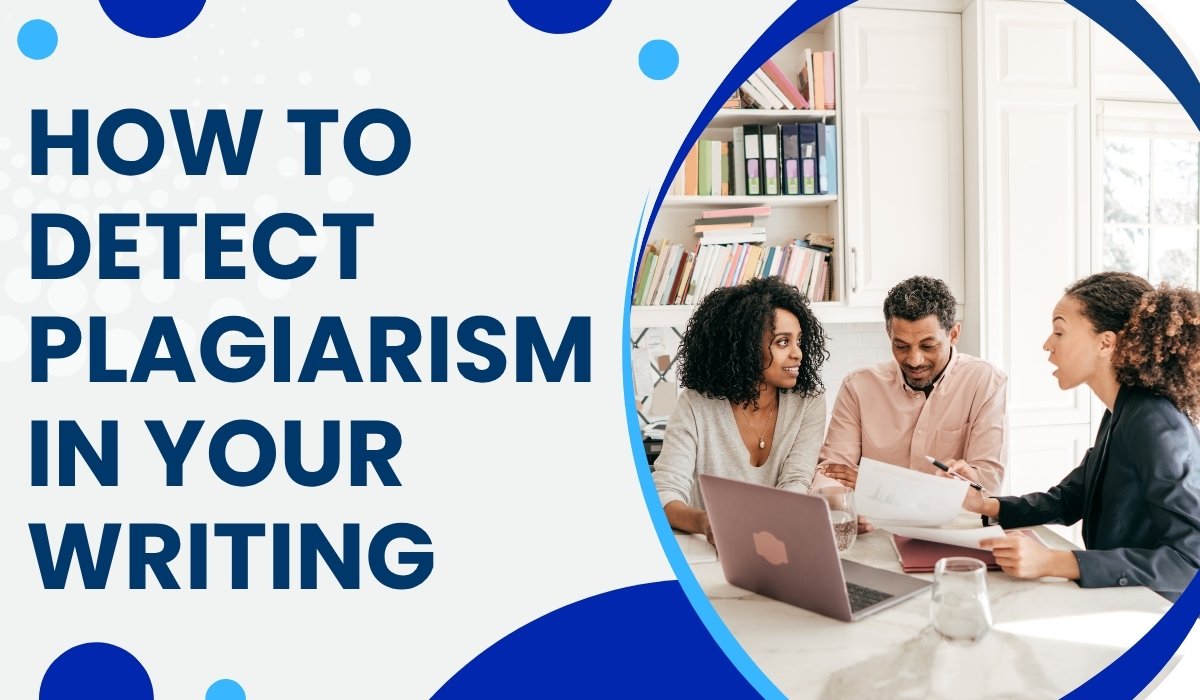
Originality matters more than ever in the digital age. Whether you are a blogger, student, academic, or business writer it’s important to know how to identify plagiarism in your writing. Not only does plagiarism hurt your reputation, but it can also hurt your SEO efforts and result in companies taking legal action against you. This guide will take you through the essentials of how to check for plagiarism so that you can identify and prevent it using both manual methods and plagiarism checkers.
What Is Plagiarism?
Plagiarism is stealing someone else’s ideas and claiming them as your own. This may involve the paganization of text, plans, pictures or audiovisual materials. Intentional or not, however, plagiarizing has an impact.
It is the most pressing issue in SEO blogging, content writing, academics, journalism and social media writing. It is important that all your content be original and cited to keep your SEO rankings and be credible.
Why is Plagiarism Bad for SEO?
Search engines such as Google favour original content in their search results. And, of course, publishing the same content twice can lead to penalties or knock your pages down in search results. Your site can be deindexed if it has stolen/syndicated or spam content, and you will lose lots of traffic and domain authority.
Here’s why plagiarism is harmful for SEO:
- Decreased page rankings
- Fewer trust and credibility in the domain
- Penalties from search engines
- Bad user experience because of the information being repeated
It’s not just a moral issue to write original, non-plagiarised content on the web; it’s a necessity for digital visibility.
Signs Your Content May Be Plagiarized
Before jumping into tools, here are a few indicators that your content might be plagiarised or too like existing sources:
- Unnatural or inconsistent writing tone
- Unexpected shifts in vocabulary or style
- Lack of citation for facts or quotes
- High bounce rates and poor engagement
If you see any of these warning signs, it’s time to put your content through a plagiarism detector.
Top Plagiarism Checking Tools in 2025
The best way to test whether the content is unique is by using a plagiarism detection tool. Here are the top plagiarism checkers for bloggers, free plagiarism checkers for writers and search engine optimisation (SEO):
- Grammarly Plagiarism Checker
While most people know Grammarly for its grammar checking, the company also offers a plagiarism checking tool with access to billions of web pages and ProQuest academic databases. It’s user-friendly and offers immediate feedback.
- Copyscape
Copyscape is a preferred choice for both site owners and writers. It allows you to scan published web content to check for duplicates. The premium version provides batch search and private index features.
- Quetext
Quetext offers a deep search plagiarism detection algorithm and provides colour-coded feedback. It’s great for students and SEO writers looking for clarity and accuracy.
- Turnitin
Commonly used in academia, Turnitin is a powerful tool that checks for both verbatim plagiarism and paraphrased content. It’s a go-to for universities and research institutions.
- Plagscan
Plagscan is ideal for businesses, researchers, and institutions. It provides detailed similarity reports and supports various file formats.
- Small SEO Tools Plagiarism Checker
This free tool is especially popular among bloggers and content marketers. It scans for duplicate content and provides a percentage-based plagiarism report.
How to Check for Plagiarism Manually
While tools are essential, manual methods can also help:
- Google Search Method
Copy a few lines from your content and paste them into Google Search using quotation marks (“”). If the same content exists elsewhere, Google will show the source.
- Paraphrasing Cross-Check
If you’ve paraphrased from another source, have some difference in meaning and structure. And you must reference the date of the original to protect against self-plagiarism.
- Check Citations and References
Make sure that you cite every idea you borrow or quote in accordance with the citation style in your citation format (APA, MLA, etc.).
How to Prevent Plagiarism in Content Writing
It’s easier to prevent plagiarism than to treat it. Here are some practical tips:
✔ Use Your Own Words
Always write in your unique voice and tone. Avoid copying descriptions, reviews, or product features directly from other sites.
✔ Keep Track of Your Sources
When researching, save links and references. Tools such as Zotero or Mendeley can help you stay organised in order to avoid accidental plagiarism.
✔ Enclose Direct Quotes in Quotation Marks
Quoting a sentence? Use quotation marks and credit the author with a proper citation.
✔ Paraphrase Intelligently
Don’t just swap out a few words. Understand the core idea and express it differently while retaining the original meaning.
✔ Use Plagiarism Checkers Before Publishing
Always run a final check using any of the top plagiarism detection tools listed above before publishing or submitting your work.
SEO and Original Content: A Winning Combination
When you create 100% original content, you not only avoid plagiarism issues but also enhance your website’s SEO performance. Google rewards:
- Fresh, unique content
- Keyword-rich yet natural writing
- Valuable information for users
- Proper structure with headings and meta tags
Make originality a part of your content strategy to rank higher and attract organic traffic.
What to Do If You Find Plagiarism
If your content has been plagiarised or flagged, don’t panic. Here’s what you can do:
- Edit and Rephrase
Rework the plagiarised portions. Use synonyms, restructure sentences, and make the tone consistent with your writing.
- Cite the Source
Add citations where required to acknowledge the original author.
- Use Anti-Plagiarism Software
After editing, recheck your content using plagiarism software to ensure it’s clean.
- File a DMCA Complaint
If someone else has copied your content, you can file a DMCA takedown request to get it taken off the internet.
Final Thoughts
It‘s essential to learn how to detect plagiarism in your writing to ensure credibility, authority and SEO success in the long run. By utilising friendly features and adopting a forward-looking approach in writing content, you can verify that each of your articles, blog posts or academic works is 100% original and plagiarism-free.
Keep your content game a step ahead by proofing, reproving, and improving your writing. Whether you’re a student, blogger, or business owner, nothing speaks the truth as original content does to your readers and search engines.

You may also like